Safadasht, Iran: A Complete Guide to Omid Town, Yusefabad Ghavam and the Malard Region
Safadasht is a city in Malard County, in the western part of Tehran Province, Iran. Known for its connection to historic villages, residential communities, agricultural land and industrial activity, Safadasht represents an important part of the changing landscape of western Tehran.
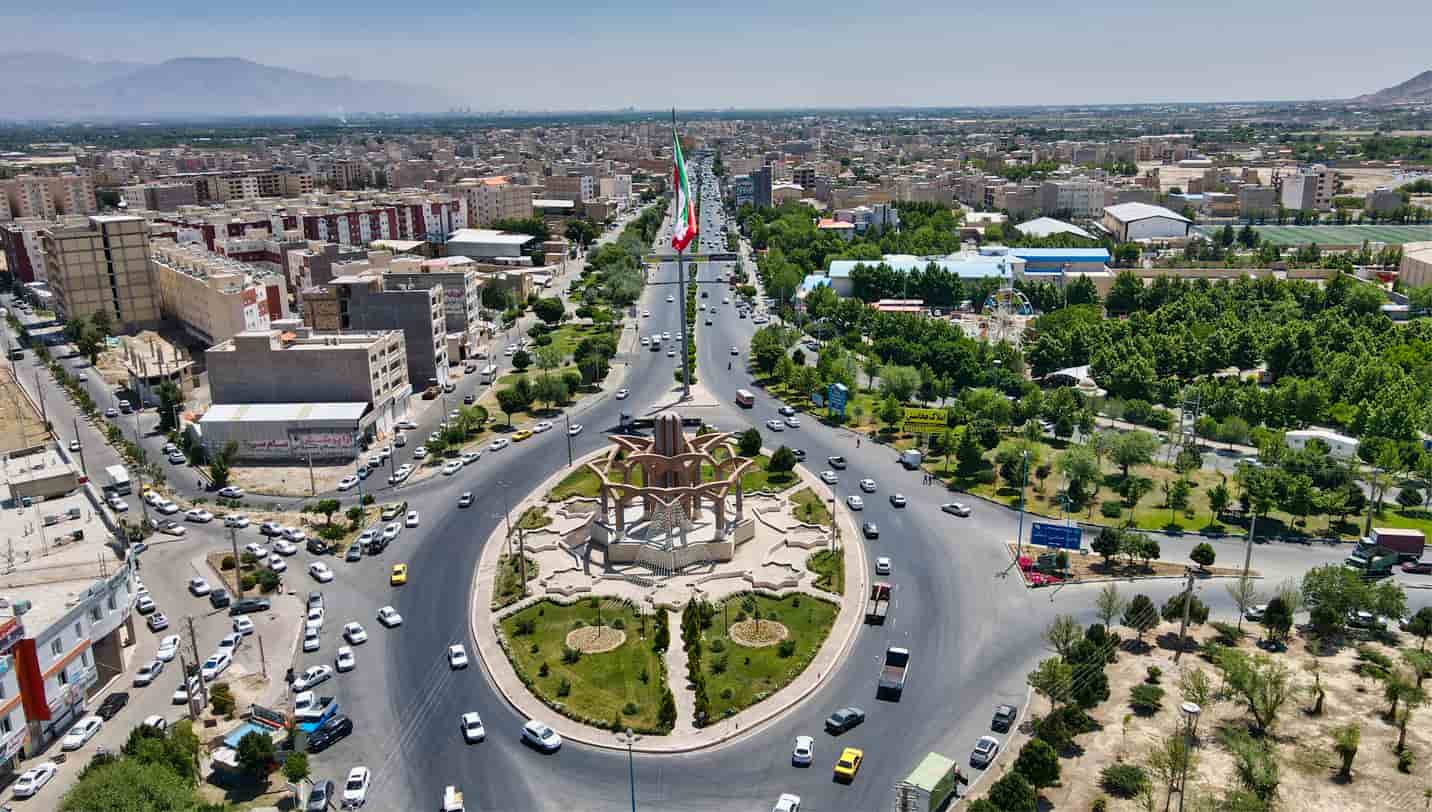
An introductory image of Safadasht, Iran.
Safadasht Tehran Province Malard County IranWhere Is Safadasht in Iran?
Safadasht is located in Malard County, west of Tehran Province. Its geographical position connects the western Tehran region with nearby areas of Alborz Province, including Mohammadshahr and Mahdasht. The wider area also has links toward the central parts of Malard and the southern routes leading toward Zarandieh.
The Tehran–Eshtehard corridor and regional road connections make Safadasht an important location for residential communities, local businesses, industry and travel across western Tehran.
History of Safadasht and Its Urban Development
Modern Safadasht has developed through the growth and connection of several older villages and settlements. Names such as Shahrabad, Hesar-e Tazeh and Abadiyeh are associated with the historical development of the urban area.
Although the city has experienced considerable physical and residential development, its surrounding villages remain an important part of its local identity, history and cultural landscape.
Villages and Neighborhoods Around Safadasht
The wider Safadasht area includes urban neighborhoods and rural settlements. Yusefabad Ghavam, Mehrdasht, Amirabad, Ali Bayat, Koushkak, Arghashabad, Arastu, Shesh, Dehak, Kahrezak, Sharifabad, Salmian and Aminabad are among the local place names associated with this region.
These settlements help explain the historical geography and connections between the city and its surrounding countryside.
Omid Town Safadasht: A Growing Residential Community
Omid Town, also known as Shahrak Omid Safadasht, is an important residential development within the Safadasht urban area. It forms part of the expansion of housing and neighborhood services in western Tehran Province.
Schools, local shops, green spaces, religious facilities, sports areas and other community services are important aspects of everyday life in this residential district. As the neighborhood develops, access to transportation, education and public services remains important for residents.
Omid Town Safadasht, Shahrak Omid Iran, Omid Town address, living in Omid Town Safadasht and Safadasht residential areas.
Safadasht Mehr Housing Project
Safadasht Mehr Housing is associated with the expansion of residential development in the city. The project has contributed to the growth of new housing communities and has become part of the area's modern urban identity.
Access to schools, healthcare, local shopping, transportation and public facilities is among the key topics for anyone researching residential life in Safadasht Mehr Housing.
Yusefabad Ghavam: A Village in the Safadasht Region
Yusefabad Ghavam, also written as Yusefabad-e Ghavam, is one of the recognized rural settlements in Safadasht District, Malard County. Its rural background and local identity make it an important place for understanding the historical development of the surrounding region.
The relationship between traditional village life and the growth of nearby urban neighborhoods is an important part of the story of Yusefabad Ghavam and Safadasht.
Safadasht Industrial Town and the Local Economy
Industrial and manufacturing activities are important parts of the Safadasht economy. Safadasht Industrial Town and other production areas support a variety of industrial, workshop and service businesses.
These activities contribute to employment opportunities and connect Safadasht with the wider economic network of western Tehran Province.
Climate and Natural Environment of Safadasht
Safadasht has a generally dry climate influenced by the southern slopes of the Alborz mountain range and the dry inland areas of Iran. Summers are usually hot and dry, while winters are relatively cold and dry.
Seasonal winds and occasional dust are features of the local environment. Native vegetation is adapted to relatively dry conditions, with shrubs and other drought-tolerant plants found across the surrounding landscape.
Agriculture and Local Products
Despite water limitations, agriculture remains connected to the rural identity of Safadasht. Crops grown in suitable areas include wheat, barley, corn, legumes, potatoes, onions, cucumbers and tomatoes.
Local orchards are associated with apples, pears, cherries, apricots, peaches, nectarines, plums, walnuts and grapes. Mushroom cultivation is also an important agricultural and production activity in Malard County.
Historical and Religious Attractions in Safadasht
The wider Safadasht region has several sites of historical and cultural interest. These include Arastu Hill, Yusefabad Hill, Mehrdasht Hill, Salmian Hill and the historic bathhouse in Shesh village.
Religious landmarks include the shrines of Bibi Sakineh and Imamzadeh Hamzeh. These sites are part of the religious heritage and local identity of the region.
Documentary: Yusefabad Ghavam Village
Watch this documentary to discover the atmosphere and rural character of Yusefabad Ghavam in the Safadasht region.
Frequently Asked Questions About Safadasht
Where is Safadasht located?
Safadasht is in Malard County, Tehran Province, western Iran.
Where is Omid Town Safadasht?
Omid Town is a residential development within the Safadasht urban area.
What is Yusefabad Ghavam?
Yusefabad Ghavam is a village in the Safadasht region of Malard County.
What is Safadasht known for?
Safadasht is associated with residential development, agriculture, industrial activity, rural settlements and local historical sites.

Local guide to Safadasht, Iran | MHADAD
MHADAD.IRThis guide introduces the geography, history, communities and local identity of Safadasht. Local information may change over time.